2026-10-16 ·
How To Prevent Basement Flooding From Heavy Rains In Seahurst
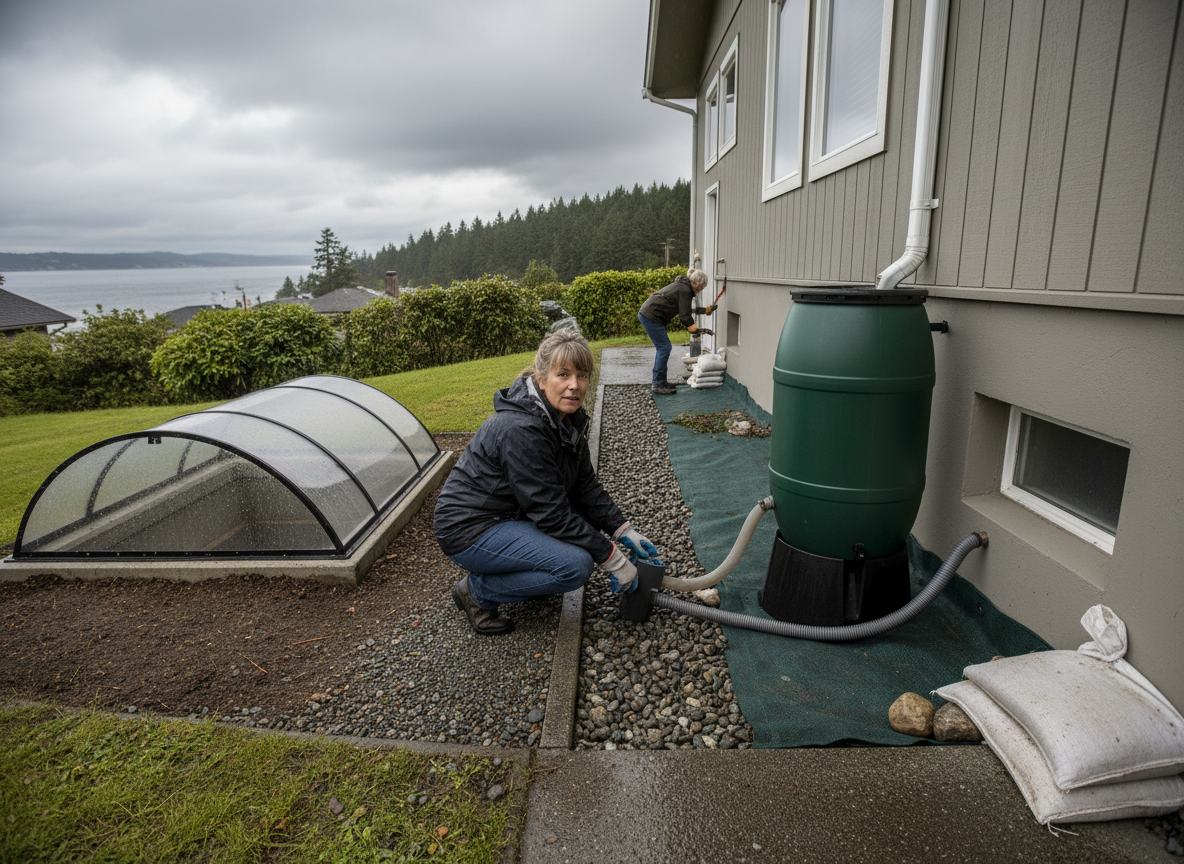
Seahurst homes built before 1970 face the highest risk of basement flooding during the 4–6 inches of rain that often falls in a single November or December storm. Direct the first 10 feet of ground around your foundation to slope at least 6 inches away from the house, clear debris from gutters twice each fall, and test your sump pump monthly to cut flood risk by more than half.
Evaluate Your Home's Grading and Drainage
Seahurst sits on glacial till and clay soils that hold water after heavy Pacific Northwest rains. Walk the perimeter after a storm and look for puddles that sit longer than 24 hours within 6 feet of the foundation. In neighborhoods east of Ambaum Boulevard, many 1950s–1960s split-levels were graded flat, so water pools against the south and west walls. Re-grade these areas by adding compacted fill so the slope drops 6 inches over the first 10 feet. Check downspout extensions; they must discharge at least 5 feet from the house or into a French drain that ties into the street system. Homeowners in the Highline area who completed this work before the 2021 atmospheric river events reported zero water entry during the following two winters. Pair this inspection with a crawlspace check using the guidance in Inspecting Crawlspaces For Hidden Moisture In Seahurst Properties to catch moisture that travels under the slab.
Upgrade Gutters and Downspouts
Standard 5-inch gutters on Seahurst ranch homes overflow when rainfall exceeds 1.5 inches per hour, a rate reached several times each winter. Replace them with 6-inch seamless gutters and 3-by-4-inch downspouts that empty into buried 4-inch PVC lines running to the curb or a dry well. Clean the gutters in October and again in January, removing maple leaves and cedar needles common in the area. Add gutter guards only if you also increase downspout capacity; otherwise debris still dams water against the fascia. In Burien properties near the 15202 Ambaum Blvd SW address, technicians see fewer calls after owners switch to oversized systems because the extra volume prevents backup into the basement window wells. Schedule the upgrade before the first heavy rain forecast rather than waiting for an emergency water removal visit.
Install or Maintain a Sump Pump System
Many Seahurst basements lack a sump pit because they were built before modern code required one. If water has entered in past storms, cut a 24-inch square pit in the lowest corner and install a 1/2-horsepower submersible pump with a battery backup rated for 8–12 hours of runtime. Discharge the pump through a dedicated 1.5-inch line that exits the foundation at least 10 feet away and never into the sanitary sewer. Test the float switch and backup battery every 30 days. Older neighborhoods around Normandy Park and Des Moines often have shared drainage that surcharges during king tides combined with rain; a properly sized sump with check valve prevents reverse flow. Keep the pit clean of silt so the pump cycles only when needed, extending motor life to 8–10 years.
Prepare for Seasonal Heavy Rains
King County issues flood watches when 3 inches of rain is forecast in 24 hours. Before each storm, move stored items 12 inches off the basement floor, confirm the sump pump and backup work, and close window-well covers. If you notice seepage along the east wall, place a dehumidifier rated for 50 pints per day to keep relative humidity below 55 percent and reduce mold risk. After the rain stops, run the system for an extra 48 hours to dry the slab. Residents who follow this routine in SeaTac and Seattle border homes report basement floors staying dry even when neighbors on the same block experience 2–3 inches of standing water. For homes that have already flooded, review the steps in Drying Out Homes After Pipe Leaks In Older Seahurst Neighborhoods to understand how hidden moisture behind drywall leads to repeat issues.
When Prevention Is Not Enough
Even well-prepared homes can take on water during an extreme event. If water enters, shut off power to the basement, document the depth with photos, and contact a local crew for basement flood cleanup. Technicians based at 15202 Ambaum Blvd SW respond 24/7 and can begin water extraction within hours, limiting damage to subfloors and framing. After the event, consider adding interior waterproofing membranes or exterior excavation if grading and pumps alone cannot handle the volume. Track rainfall totals from the SeaTac weather station; years that exceed 45 inches total rain increase the chance of repeat flooding in unsealed 1960s foundations.